

AI自動化が公益事業会社のコンプライアンスを促進
続きを読む
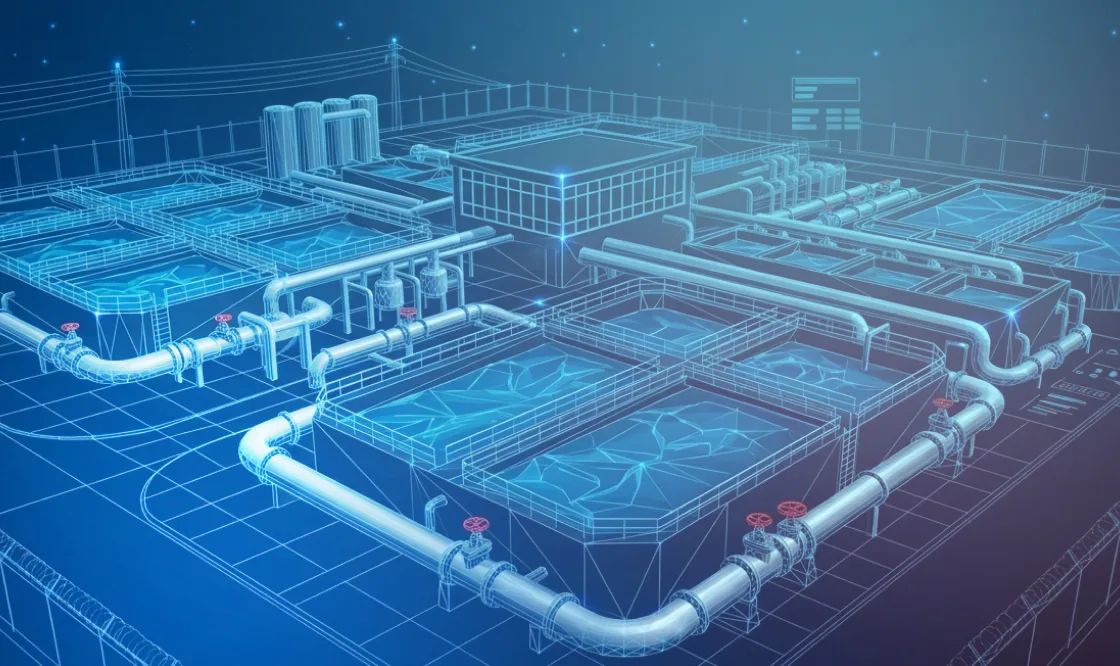
Critical infrastructure has quietly become one of the most contested spaces in cybersecurity, and this summer made that hard to ignore. A wave of cyberattacks, widely believed to be linked to Iran, though not formally attributed, hit water utility operational technology across more than a dozen U.S. states. Attackers got into internet-facing programmable logic controllers, the small industrial computers that open valves, run pumps, and hold water pressure steady, and in several cases locked operators out or forced utilities back onto manual control. No drinking water was contaminated, and most disruptions were resolved within hours. But the campaign underscored something the water sector has been warned about for years: operational technology built decades before modern cybersecurity practice existed is now in the crosshairs of nation-state actors.
I sat down with Nick Tausek, Lead Solutions Architect at Swimlane, to talk about why water utilities keep ending up on that list, what it actually takes to close the gap, and where automation fits into an answer a lot of utilities can’t otherwise afford.
“There are a couple of reasons water utilities in particular are such a juicy target for nation-state actors,” Tausek says.
Asked what he’d tell a utility running on a limited budget and older equipment which, he notes, describes most of the water utilities in the country; Tausek’s explained 5 easy things to do:
None of this is exotic advice. The gap isn’t information. It’s execution.
Here’s the problem: a utility can do everything on that list and still get breached, because segmentation and password hygiene don’t answer the question that actually determines how bad an incident gets; what happens in the first hour after you find out.
That’s usually a documented process with a couple dozen steps: isolate the affected device, decide whether to fail over to a backup, get sign-off from the right people, preserve evidence, and eventually prove to an auditor or regulator that all of it happened correctly. Under normal circumstances, that’s manageable. In the middle of an active incident, with a small and likely overworked team, it’s exactly the kind of process humans start skipping steps in.
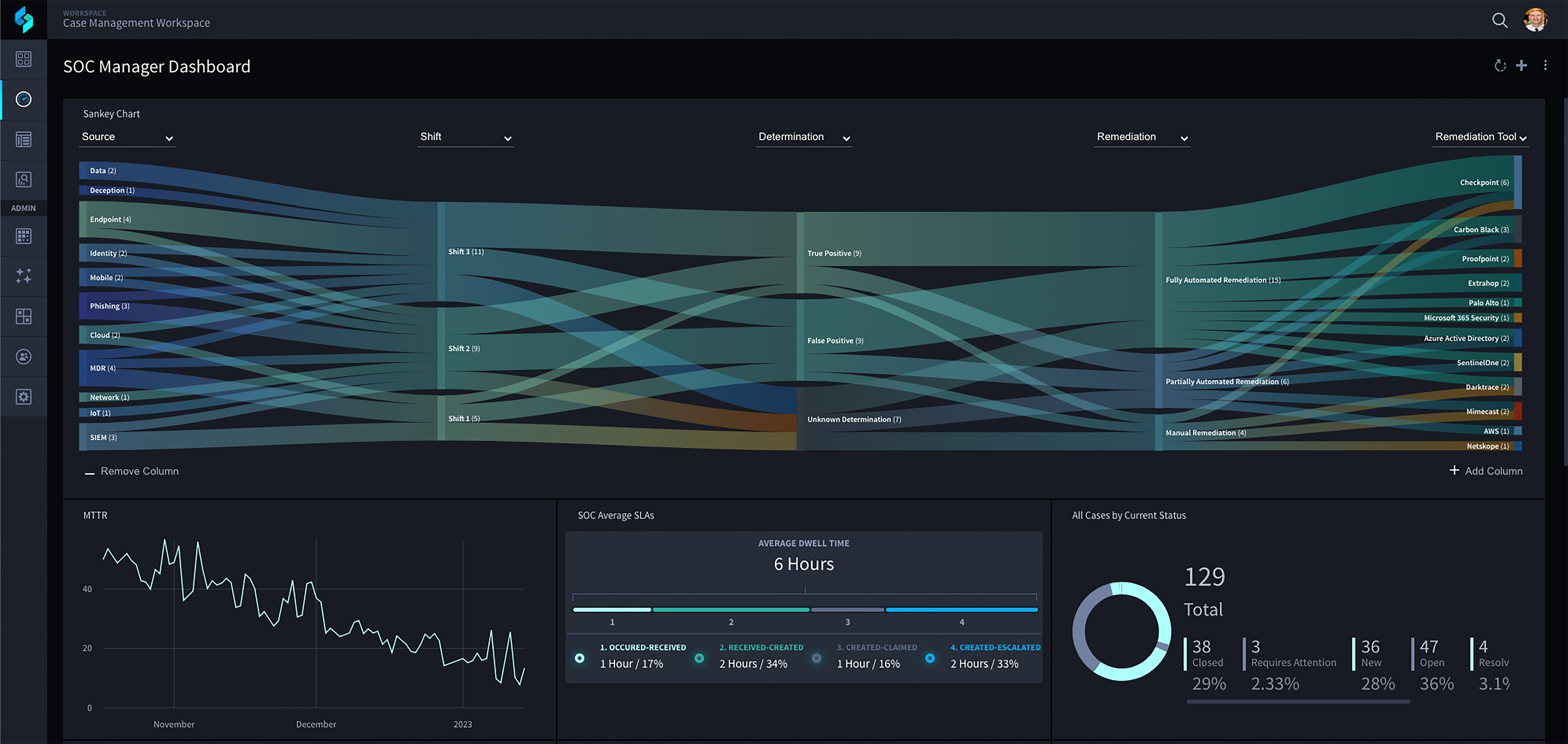
The industry has a name for the metric that captures the cost of that gap: dwell time, the interval between when an attacker gets in and when they’re actually removed. The longer that interval runs, the more damage gets done and the harder it becomes to be confident an environment is actually clean; a lot of incidents that look resolved turn out, sometimes a year later, to have never fully closed.
This is where automation earns its place, not as a replacement for segmentation and hygiene, but as one of the ways to close the gap those measures leave open.
The result Tausek points to is measurably lower dwell time and faster time-to-remediation, the two metrics he says would most change how an incident like this plays out for a utility that has them versus one that doesn’t.
Tausek doesn’t think this is a water-utility problem in isolation. “Our adversaries are using AI-driven attacks against everything connected to the internet, not just water utilities,” he says. He expects the complexity of these attacks to keep increasing, and organizations that never expected to be targets to keep discovering that they are.
His closing point is the one worth sitting with:
“It doesn’t really matter whether you’re IT or OT; you’re going to become a target of a geopolitical actor if you’re plugged into the internet. The question is whether you’ll know it, and whether you’ll be able to do anything about it.”
This summer’s water utility attacks are a preview of a pattern that’s going to keep showing up everywhere something is plugged into the internet. The organizations that come out of the next one fastest will be the ones that already know it happened and already have a system ready to act on it.
Outdated OT and thin teams aren’t unique to water utilities; they’re the norm across critical infrastructure. Swimlane AI SOC helps your team act in minutes, not hours, so the first hour after a breach doesn’t become the hour you lose.
No. In the wave of attacks that hit water utility control systems across more than a dozen U.S. states this summer, no drinking water was contaminated, and most disruptions were resolved within hours. Attackers gained access to internet-facing programmable logic controllers (PLCs) and, in several cases, locked operators out of controls or forced utilities onto manual operation, but the water supply itself stayed safe.
A programmable logic controller (PLC) is a small industrial computer that runs the physical processes inside a water treatment plant: opening valves, running pumps, and holding water pressure steady. PLCs draw attackers because many are internet-facing, run on operational technology built before modern cybersecurity practice existed, and hand an attacker direct control over physical infrastructure once compromised.
Water utilities are targeted for three reasons, according to Nick Tausek, Lead Solutions Architect at Swimlane. Their operational technology predates modern cybersecurity practice. Many utilities assume their small, rural budgets make them not worth attacking, an assumption nation-state actors don’t share. And water systems can be compromised quickly but repaired slowly, so the impact turns into an emergency fast.
OT (operational technology) security protects the systems that run physical processes, such as pumps, valves, and industrial controllers, while IT security protects computers, networks, and data. OT hardware is often decades old and wasn’t built with cybersecurity in mind, so standard IT practices like MFA and least privilege don’t always apply directly and have to be adapted to what the equipment can support.
Tausek outlines five steps that don’t require a large budget. Segregate OT and IT networks and use jump boxes instead of direct connections. Never expose OT devices, especially PLCs, to the public internet. Change default passwords. Apply multi-factor authentication and least privilege wherever the equipment allows. And for PLCs specifically, use firewalls, gateways, zero-trust network access, regular configuration reviews, and replace end-of-life equipment when possible.
Dwell time is the interval between when an attacker gets into a system and when they’re actually removed. The longer that interval runs, the more damage an attacker can do, and the harder it becomes to be confident the environment is actually clean. Some incidents that appear resolved turn out, sometimes a year later, to have never fully closed.
An AI-powered SOC (security operations center) codifies incident response playbooks, manages cases with a built-in audit trail, integrates with the audit tools a utility already runs, and uses AI to investigate alerts and confirm remediation. Swimlane points to lower dwell time and faster time-to-remediation as the measurable results, closing the gap that network segmentation and password hygiene alone leave open.
It affects any organization connected to the internet. As Tausek puts it, “it doesn’t really matter whether you’re IT or OT; you’re going to become a target of a geopolitical actor if you’re plugged into the internet.” He expects AI-driven attacks to keep increasing in complexity across every sector, not just water utilities.

 English English
  Français
 Deutsch
 日本語
日本語
 한국어
한국어
 Português
 Español