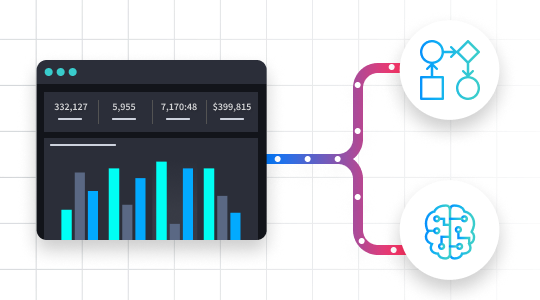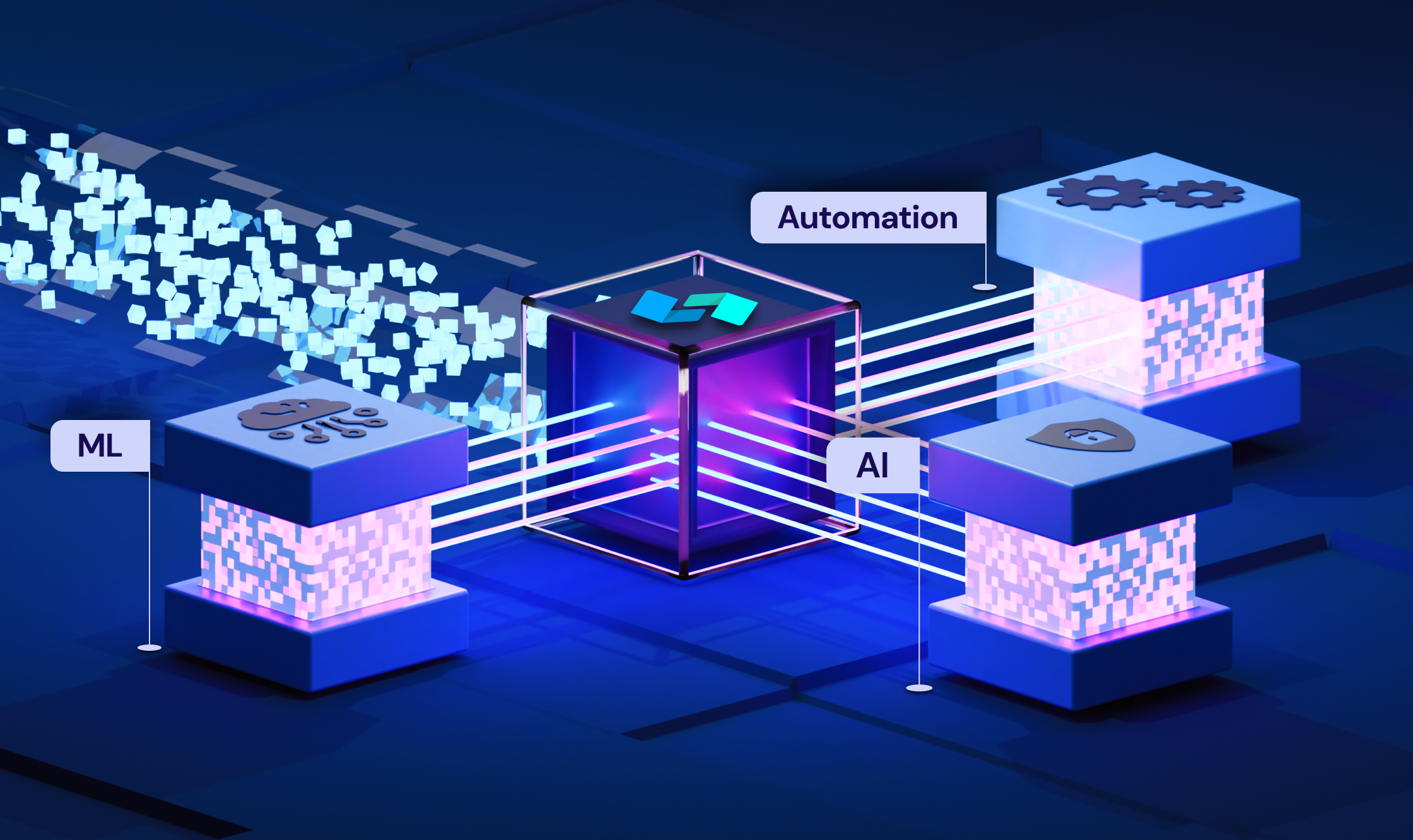
What's the first thing that comes to mind when you hear the words security automation? For many in the cybersecurity industry, it's automated response actions. However, this is only part of the story. The true challenge in cybersecurity automation lies in effectively ingesting, correlating, enriching, aggregating, and processing vast amounts of data from diverse sources. AI is disrupting cybersecurity from every angle. The concept of offensive AI is now a tangible reality, with AI cybersecurity threats encompassing malicious uses like AI deepfakes, swarm malware, machine learning zero-day attacks, and AI-powered phishing. The emergence of generative AI in cybersecurity stands out as one of the most significant revolutions. The core purpose of AI in cybersecurity should be to augment human capabilities, enabling security professionals to perform their jobs more effectively. This includes supporting threat detection and prevention, providing predictive analysis, enhancing the automation of security tasks, conducting behavioral analysis, preventing phishing and fraud, and improving incident response. AI in network security can help enhance threat detection and intelligence signals or even recommend the optimal automated response action. AI and automation can help SOC teams keep pace with the increasingly common threat of data breaches. GRC platforms are increasingly leveraging AI to assist with risk detection, auditing, horizon scanning, policy management, and regulatory change management. AI is transforming vulnerability response management by making it significantly more efficient and effective, enabling intelligent data enrichment and risk-based prioritization. In a future with AI, fundamental SecOps principles will be more important than ever.