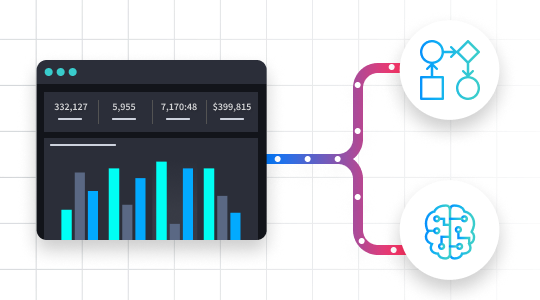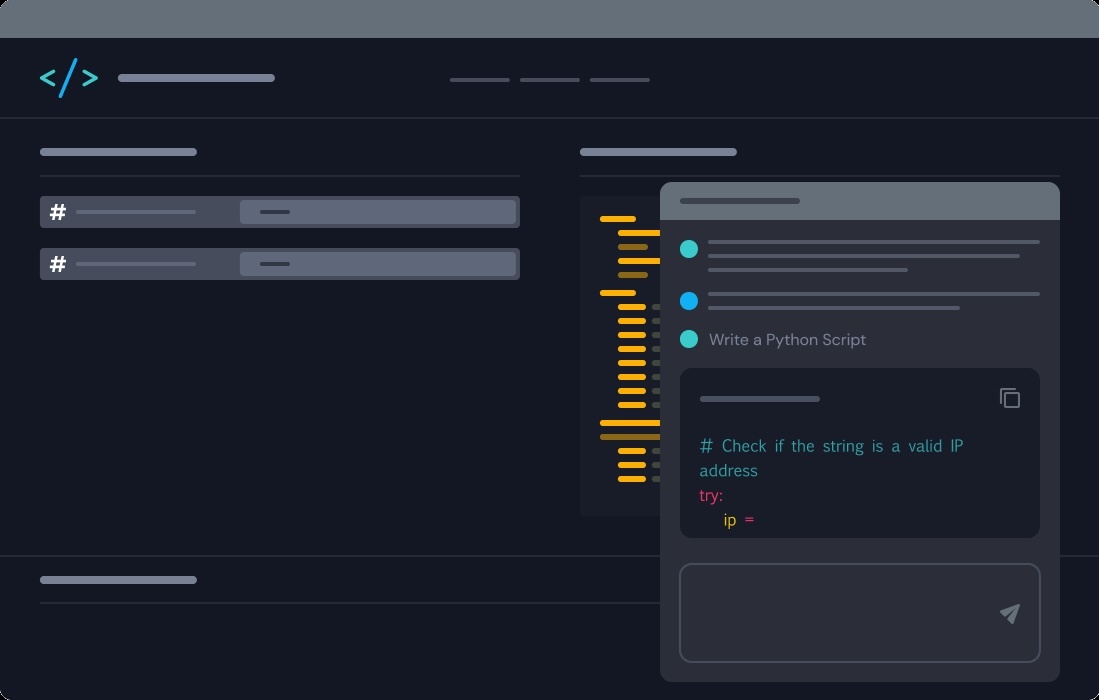


It's an automated world out there. If it can be done programmatically, it already is – or will be soon enough. The security industry has seen this first-hand. As cyber threats have grown more common and skilled security professionals become rare, security automation platforms have been created to free up your existing security team's time. Low-code automation is the sweet spot between no-code, which allows zero coding capabilities, and full-code, which requires developers who are capable of complex manual coding. With a low-code solution you can still expect robust application development capabilities for a range of use cases, but with more user-friendly features like drag-and-drop data entry and built-in business logic. No-code platforms offer codeless access to the basics of security automation. For small security teams, resources and budgets are oftentimes spread thin, making no-code an appealing option. However, reduced cost does mean fewer features, restricted use cases and little-to-no customization. The most obvious difference between no-code and low-code platforms is that low-code enables coding via python script for teams who want the added flexibility and expansion, while no-code does not. Regarding playbook customization, low-code platforms are fully-customizable to automate your security team's unique use cases, while no-code limits the number of actions that can be taken in a single workflow. Low-code platforms have been on the market longer, resulting in larger libraries of integrations, while no-code platforms tend to have smaller integration libraries. Low-code platforms offer self-documenting playbooks and fully-customizable persona-based reporting in real-time, while no-code automation tools don't make it easy to understand if the automated processes were effective at scale. Case management is a critical component of any incident response process and low-code security platforms include powerful case management features, while no-code security automation tends to be light on case management capabilities.