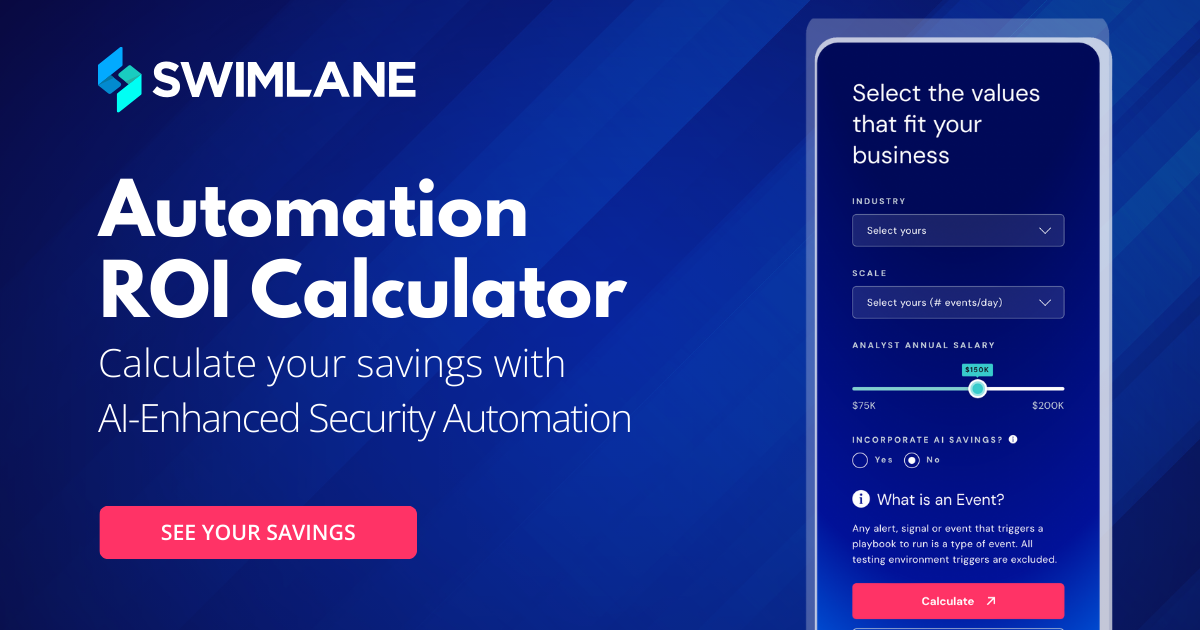
Swimlane ROI calculator
Read More


Centralize and control security operations and you can quantify the business value of security and instantly improve metrics. Swimlane Turbine turns SecOps activity into clear, measurable performance. Security leaders can track case progress, response metrics, automation ROI, and workflow bottlenecks through customizable dashboards built for SOC teams, executives, and board-level reporting. AI-driven automation and case orchestration help teams reduce manual investigation work while improving response consistency.
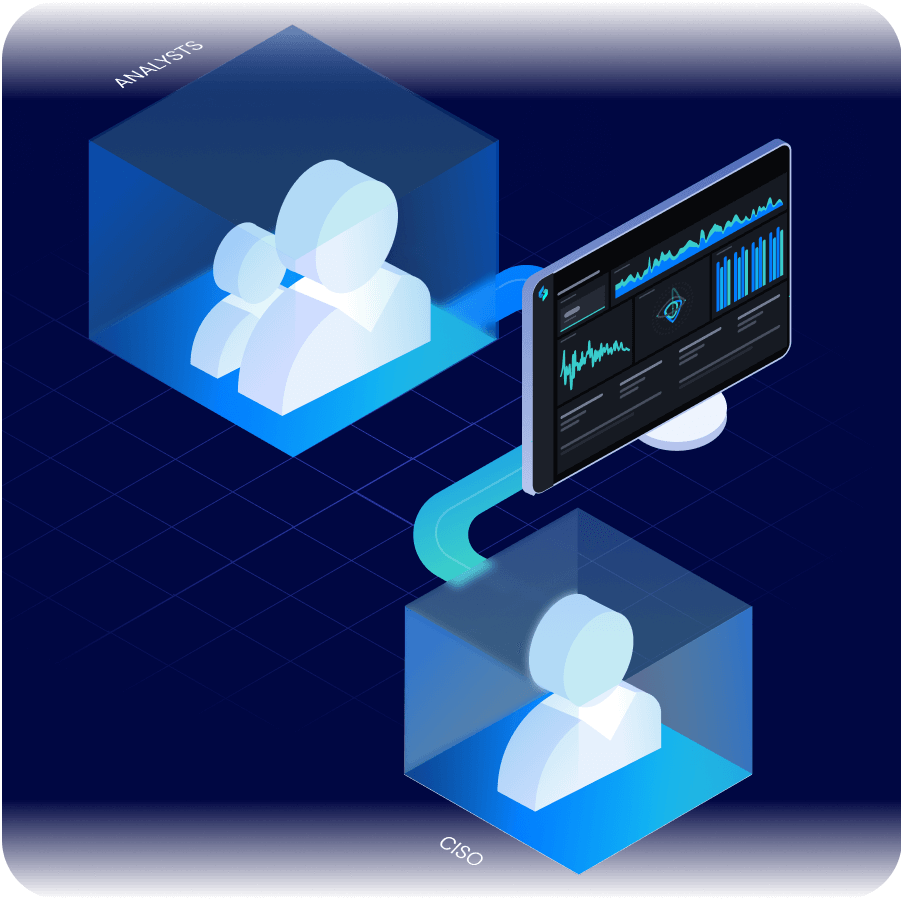
The cost of compromised systems quickly stack up. Data loss, equipment replacement, legal fees, 3rd-party incident response, ransom payments, fines and more. The average cost of a data breach has risen to nearly $4.24 million and continues to grow. CISOs must quickly identify security trends in their SOC and easily access metrics to communicate effectively with the C-level and board members. Unfortunately, this is time-consuming and labor-intensive. A clear view of every stage, from intake and triage through investigation, escalation, response, documentation, and reporting, helps leaders spot delays, improve case flow, and measure operational performance with reliable metrics.
Case management, dashboards, and reporting turn SecOps activity into a clear performance story. Cases capture the details behind each investigation, dashboards show where work is moving or slowing down, and real-time reporting gives CISOs a reliable view of response outcomes, automation value, analyst effort, and overall SOC performance.
Configurable dashboards and automated reports deliver a system of record for security leaders. Combine the human and machine data needed to justify security investments to the CEO and board.
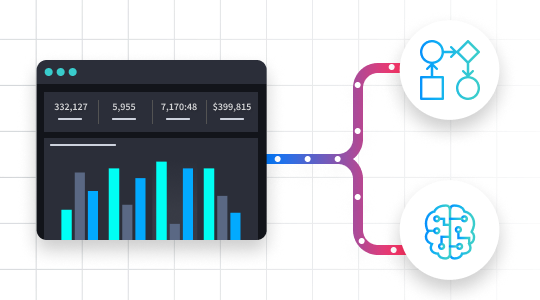
Swimlane Turbine brings MTTR, MTTD, MTTT, manual hours saved, automation coverage, incident response performance, and compliance reporting into dashboards that show how security operations are performing in real time.
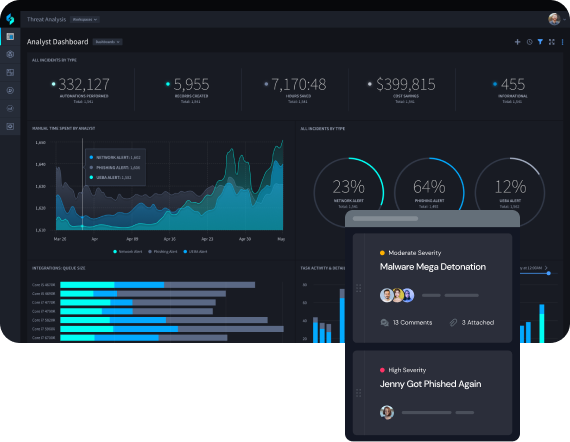

CISOs can track performance trends, automation ROI, and executive-ready security reporting.
SOC managers can monitor workload, SLA adherence, case aging, escalation patterns, and response progress.
Analysts can view queue status, triage priorities, active investigations, alert volume, and next actions in one place.
Unlock the potential of automation beyond the SOC. Automate use cases around fraud, employee offboarding and more to save nearly $900k per year with Swimlane.
Swimlane Turbine extends automation into workflows like:
With cross-functional ownership tracking, teams can reduce manual handoffs, maintain accountability across workflows, and measure automation value across the enterprise.
Do more with less. Swimlane Turbine enables SecOps teams to automate manual tasks to reduce hours of work down to seconds. Security leaders can free up analysts’ time to respond to threats and apply more focus to proactive defense measures.
Automate the routine tasks that keep analysts buried in the queue, from evidence collection and alert enrichment to case creation, ticket updates, approval routing, documentation, and compliance evidence requests.
Gain clearer visibility into workload, queue pressure, and Tier-1 task volume, making it easier to scale SOC capacity while keeping analysts focused on higher-value investigation and response.
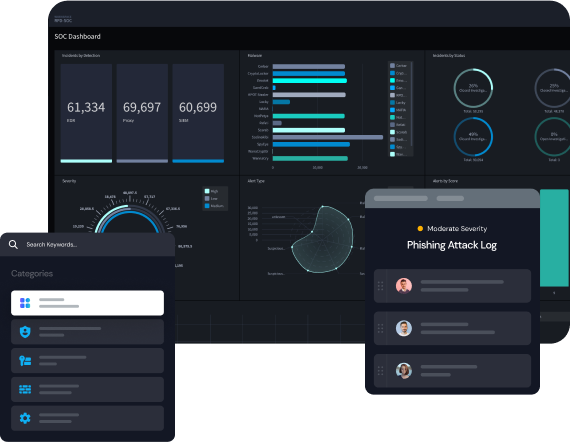
Bring in larger and broader data sets faster. Swimlane ingests data at the source for immediate action and faster response times, eliminating the wait from delayed data aggregation.
Swimlane Turbine also gives teams a way to measure how quickly incidents progress across the full response lifecycle, from triage and escalation to investigation, containment, remediation, resolution, and post-incident reporting.
Track MTTR, MTTD, MTTT, containment speed, SLA adherence, manual data collection time, and workflow completion time to identify response gaps, prioritize automation, and eliminate delays before they impact the next investigation.


It’s the ability not only for us to have the single pane of glass and all the integrations and all the automations we need, but we can actually show the return on investment to all parties throughout the company. And it really speaks a lot to the platform.
Jonathan Kennedy
CISO

| Capability | Traditional SecOps Reporting | Swimlane Turbine |
| Performance visibility | Shows fragmented snapshots from separate tools, tickets, and dashboards. | Gives leaders a live operating view of SecOps performance across cases, workflows, response activity, automation value, and team capacity. |
| Case and workflow tracking | Requires teams to piece together case progress from tickets, spreadsheets, status updates, and analyst notes. | Tracks case movement, ownership, escalations, approvals, response actions, and workflow status in one connected layer. |
| Dashboard flexibility | Relies on static views that often need manual updates or separate reporting work. | Creates customizable dashboards for CISOs, SOC managers, analysts, executives, and compliance teams without separating reporting from daily operations. |
| Manual reporting burden | Forces teams to gather data, reconcile updates, and build leadership reports after the work is done. | Turns live operational data into reporting-ready insight, reducing manual report preparation and improving confidence in the numbers. |
| Automation ROI visibility | Makes automation value difficult to prove because time savings and case activity are tracked separately. | Connects automation activity to manual hours saved, response speed, workload reduction, and measurable SecOps improvement. |
| Cross-tool context | Leaves alert, identity, endpoint, cloud, ticketing, vulnerability, and compliance data spread across disconnected systems. | Brings context from SIEM, EDR, XDR, IAM, ITSM, cloud, vulnerability, and compliance tools into coordinated post-detection workflows. |
| Response metric tracking | Requires manual consolidation to understand MTTR, MTTD, time to triage, SLA adherence, and case closure performance. | Tracks response metrics inside the workflow so leaders can see where incidents move faster and where delays need automation. |
| Workflow improvement | Reports what happened, but rarely shows which process needs to change next. | Connects metrics back to workflows, helping teams identify bottlenecks, prioritize automation, and continuously improve SecOps performance. |
SecOps efficacy measures how well a security operations team turns alerts into action. It looks at how quickly work moves from intake and triage to investigation, escalation, response, remediation, and post-incident reporting, while giving leaders a clear view of case progress, workload, response quality, and operational improvement.
SOC performance is measured by tracking how security work moves across the incident lifecycle. Common metrics include alert volume, case volume, time to triage, MTTR, MTTD, time to containment, case aging, SLA adherence, escalation patterns, analyst workload, manual hours saved, automation coverage, and reporting completeness.
CISOs should track the metrics that show speed, quality, capacity, and business value. These include MTTR, MTTD, time to triage, case aging, SLA adherence, analyst workload, escalation trends, automation ROI, manual hours saved, response performance, and executive reporting readiness.
Swimlane Turbine improves SecOps efficacy by connecting case management, automation, dashboards, reporting, and cross-tool orchestration in one system of record . Security teams can track how work moves, identify bottlenecks, automate repetitive steps, measure response performance, and report progress with clearer operational data.
Swimlane Turbine works across the tools security teams already use, including SIEM, EDR, XDR, IAM, ITSM, cloud security, email security, vulnerability management, threat intelligence, ticketing, and compliance systems. Swimlane coordinates the work that starts after detection, bringing alerts, context, cases, approvals, response actions, dashboards, and reporting into one connected workflow layer.
The world’s most scalable agentic AI security automation platform for every security function.

 English English
  Français
 Deutsch
 日本語
日本語
 한국어
한국어
 Português
 Español