
How AI Can Deliver Clear and Defensible SOC Verdicts
Read More


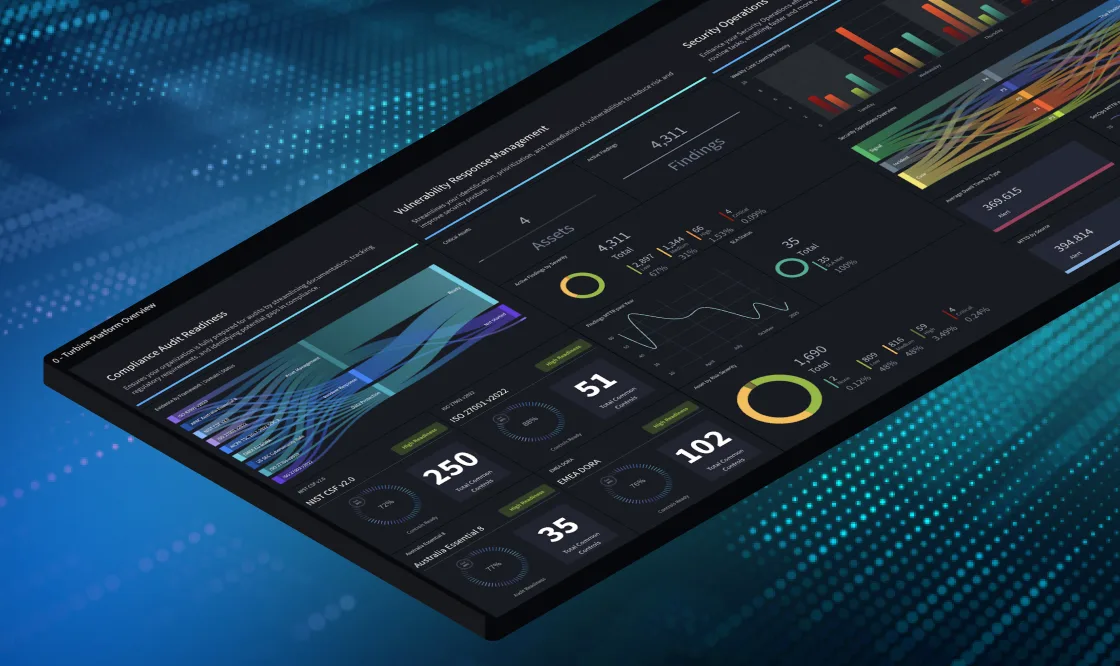
The modern SOC already has plenty of systems telling analysts something needs attention. SIEM, EDR, identity, cloud, email security, and threat intelligence tools already feed the SOC with more signals than analysts can comfortably process. The real test comes after detection, when someone has to make sense of the activity, gather proof, involve the right people, take the correct action, and leave behind a case record that stands up to review.
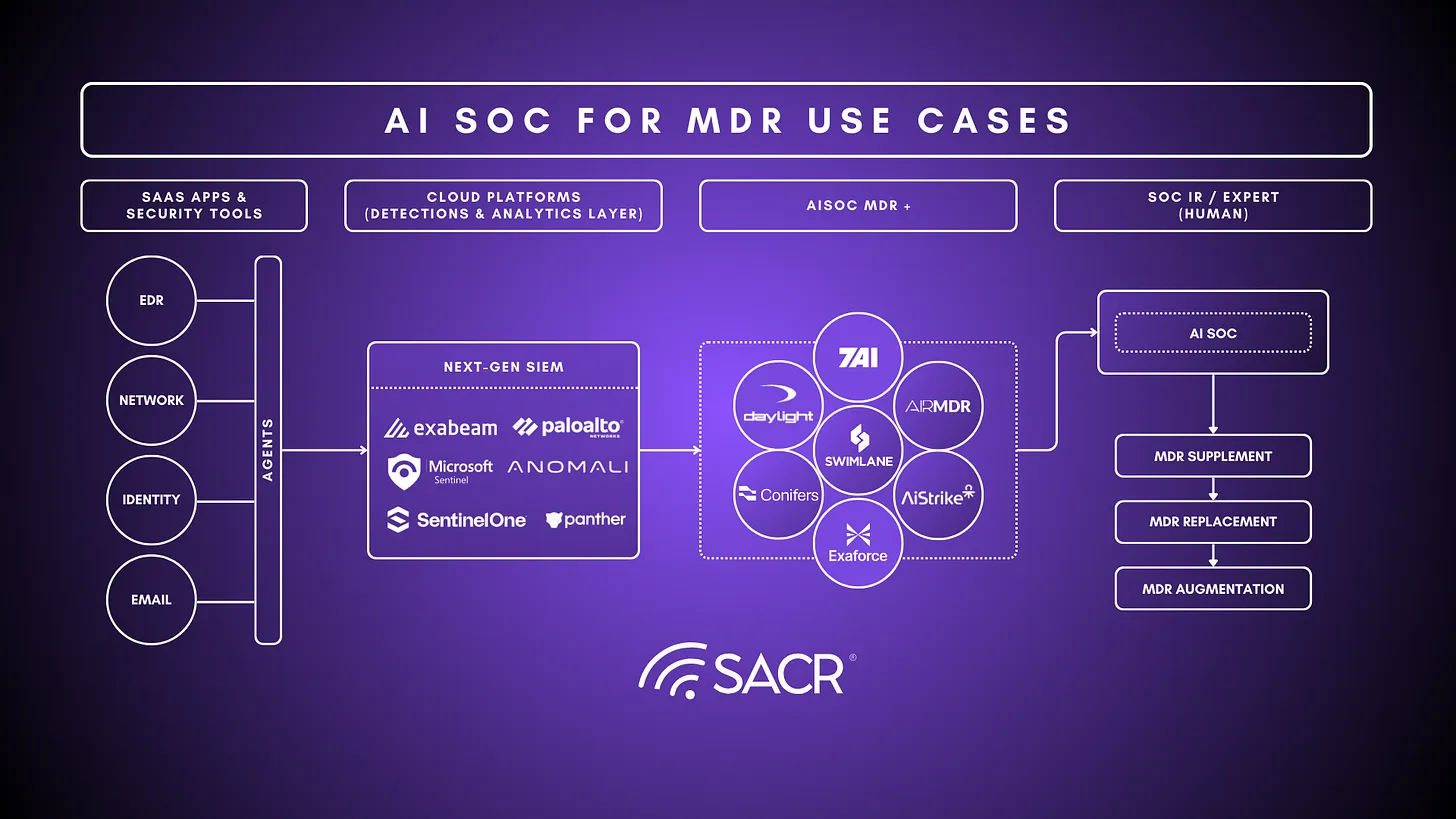
An AI SOC platform addresses that execution gap. Instead of treating AI as a summary layer, it brings agentic AI, task-specific AI agents, automation, orchestration, and case management into the operating flow of the SOC. Evidence can move with the case, approvals can follow defined paths, remediation steps can run through connected tools, and reporting can reflect what actually happened, not what analysts remember to document later.
AI belongs in the SOC when it reduces the operational drag. The right approach makes analysts see relevant context sooner, complete routine tasks faster, and keep incident handling aligned with policy. For CISOs, SOC leaders, architects, and MSSP operators, AI only earns its place when it improves how investigations move, how decisions get documented, and how response steps stay coordinated across the SOC. The priority is practical execution within the work that analysts handle every day.
A strong AI SOC platform acts as the operating layer between security signals and security action. It brings artificial intelligence, automation, orchestration, and case handling together so teams can manage investigations with less manual coordination.
Rather than asking analysts to jump from console to console, the system pulls relevant context into the case, guides the next step, and executes approved actions between synchronized tools. The SOC keeps human judgment where it matters, especially for escalation, containment, business risk, and exception handling.
The most useful platforms do more than summarize alerts. They move the investigation forward by gathering evidence, shaping decisions, routing approvals, preserving case history, and giving leaders a clearer view of how remediation progresses.
Dashboard coverage has improved for several security programs, but the daily workload still breaks down when analysts have to rebuild the story behind every alert. Evidence sits across separate tools, case details arrive in fragments, and response steps often depend on manual follow-up before the team can act with confidence.
A single phishing alert can require mailbox checks, URL analysis, sender reputation review, user impact assessment, similar-message searches, containment decisions, and documentation. An identity alert may require login analysis, device checks, access review, manager confirmation, and compliance notes. None of these steps feels unusual, but together, they drain analyst capacity and pull them away from higher-value investigation and response work. .
AI SOC capabilities remove friction from these repeatable paths. They bring more event details into the first review, reduce copy-paste investigation work, and make mitigation procedures easier to follow.
Pro tip: Before adding AI to a SOC workflow, map where analysts lose time today. Look for repeated evidence checks, manual tool switching, approval delays, and case updates that happen after the fact. These friction points usually show where AI agents, automation, and orchestration can create the clearest operational value.
Security leaders should evaluate AI SOC technology based on the daily operational problems it removes or reduces. A long feature list is far less important than whether the system meaningfully improves the flow from signal to decision to action.
Alert enrichment should answer the questions analysts ask first, before they can judge urgency like:
When the first view contains identity, asset, threat, endpoint, and historical context, analysts spend less time hunting for basics. Better preparation also improves the quality of escalation, because the case already contains the evidence needed for review.
Better triage gives analysts a decision path they can follow without rebuilding the investigation from scratch. AI can summarize the alert, surface related details, identify risk indicators, and suggest what should happen next based on policy and process logic.
A mature model like Swimlane avoids silent or uncontrolled action. Analysts should be able to see why a recommendation makes sense, approve sensitive steps, and document exceptions. AI earns trust when it supports judgment instead of obscuring it, approves sensitive steps before action, and reviews the audit history afterward. Approval checkpoints, role-based controls, and clear case records keep AI-guided triage visible instead of turning it into a black box.
Agentic AI can complete defined tasks over a controlled sequence of work by following defined playbook logic, assigning specialized agents to bounded steps, and keeping sensitive actions inside approval and permission limits. This gives the system room to move an investigation forward while preserving clear execution boundaries around what AI can recommend, prepare, or trigger.
Consider a suspicious email investigation. Agentic AI can extract links, check reputation, search for similar messages, identify affected users, and prepare findings for analyst review. The analyst can then proceed to evaluate the evidence and decide whether to quarantine messages, notify users, or escalate the case.
SOC teams need response paths that can keep up with real operational change, from new tool integrations and revised policies to updated escalation paths and customer-specific requirements. In an AI SOC model, agentic AI guides process flow progression at the playbook level, while AI agents handle defined tasks inside that workflow, such as gathering evidence, checking indicators, preparing summaries, or updating case details. Sensitive decisions still remain with analysts through permission controls, approval gates, and audit-ready case records. When every adjustment depends on heavy development work, response processes become harder to maintain and slower to improve, as rigid procedures slow teams down.
Low-code playbooks give security operations teams a practical way to design and adjust processes. Phishing, endpoint alerts, identity events, insider risk, vulnerability coordination, and customer-specific MSSP procedures can all follow risk-aware paths without forcing every update through a long engineering queue.
No SOC team needs another disconnected console. What they need is seamless coordination across SIEM, EDR, IAM, email security, cloud platforms, ITSM tools, collaboration channels, and case management systems.
Orchestration lets security teams carry actions between these environments without losing context. Analysts can trigger checks, request approvals, update records, notify stakeholders, and initiate remediation steps from a connected process rather than managing every move manually.
Security leaders often need to know what evidence was reviewed, who approved actions, where exceptions occurred, and how the case reached closure.
Strong case handling gives analysts one place to preserve findings and gives managers visibility into workload, bottlenecks, escalation quality, and response consistency. Reporting then becomes an operational tool, not just an after-action requirement.
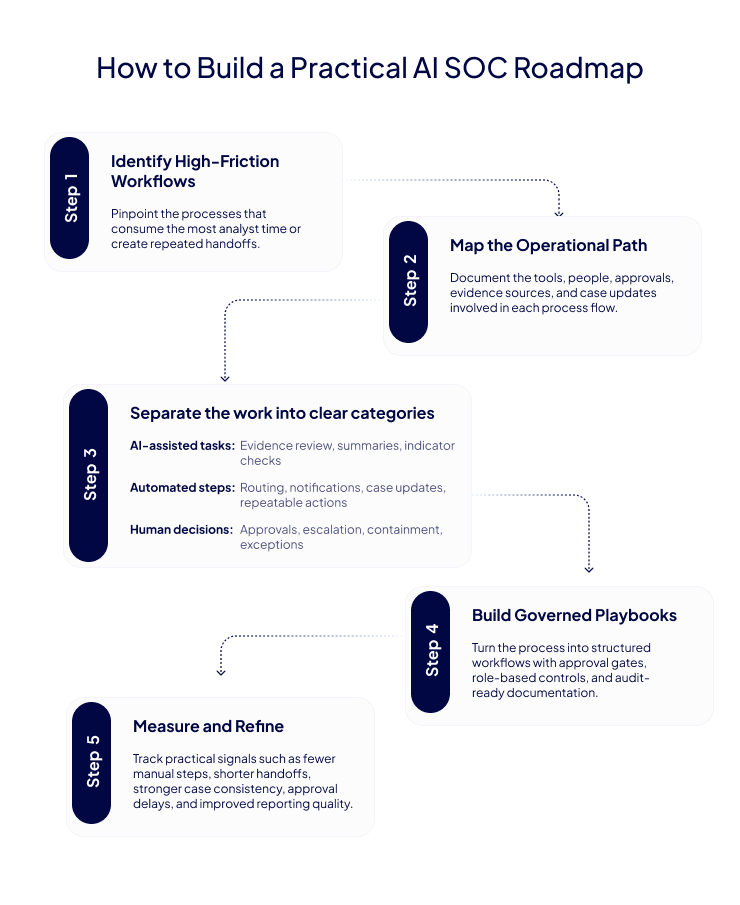
AI SOC architecture determines how signals, case intelligence, agents, automation, orchestration, and reporting operate together as a unified system. The most effective AI SOC platforms connect these layers end-to-end, allowing analysts to move from alert investigation to resolution without recreating context or rebuilding case history at every stage.
Security work begins with signals from SIEM, EDR, XDR, identity, email, cloud, vulnerability, DLP, and threat intelligence sources. These tools detect suspicious activity or surface findings that need investigation.
Context turns a raw signal into an informed decision. User role, asset sensitivity, business unit, prior incidents, device details, related alerts, and threat intelligence all help analysts understand risk.
Weak risk signals lead to uneven triage, whereas strong alert details give the team a better basis for action and documentation.
AI agents support the tasks analysts repeat often. They gather evidence, summarize timelines, check indicators, prepare findings, and update case details within the assigned processes.
Agentic AI provides the broader ability to reason across steps, determine what needs to happen next, and guides the work toward the next governed step.
Guardrails matter here. Permissions define what AI agents can access or execute. Approval gates keep escalation, containment, and other risk-bearing actions under analyst review. Policy rules and audit history preserve visibility into how each AI-guided step was handled.
Automation completes repeatable steps, and orchestration coordinates actions beyond architecture and teams.
For example, a phishing process may parse the message, check URLs, search mailboxes, notify stakeholders, request approval, and trigger containment through connected tools. Each step remains tied to the case record.
Governance gives leaders control over how AI-driven work runs. Role-based access, audit history, approval checkpoints, exception handling, and reporting help security teams maintain accountability.
Reporting shows where work slows down. Leaders can assess queue pressure, handoff delays, escalation patterns, and areas where automation reduces repetitive effort. Over time, these signals show where automation improves consistency and where workflows need refinement.
The best starting points usually involve high-volume, repeatable work that crosses several environments. Use cases such as phishing, alert triage, endpoint response, identity investigations, and MSSP customer operations give teams a practical starting point because they involve repeatable decisions, multiple tool handoffs, guardrailed actions, and case updates that agentic AI and low-code operating procedures can move forward with more consistency.
Phishing investigations often follow a familiar pattern. Analysts review content, extract indicators, assess sender reputation, identify affected users, search for similar messages, and decide whether containment is required.
AI agents can prepare the evidence package before the analyst makes the call. That gives the team a clearer view of scope and impact without delaying action.
High-volume queues create inconsistency when analysts have to collect supporting evidence manually. AI-assisted triage can group related activities, summarize risk factors, and guide the next step.
The strongest value appears when triage connects directly to policy-backed procedures. Recommendations should lead into action, escalation, or closure without creating another disconnected note.
Endpoint alerts often require information from EDR, identity, asset inventory, and threat intelligence sources. AI-backed processes can gather evidence, build a timeline, and prepare the case for containment review.
Analysts still decide how far containment should go, especially when action may affect business systems.
Suspicious logins, privilege changes, unusual access activity, and impossible travel alerts demand fast review. AI can connect identity activity with user context, device details, asset sensitivity, and related events.
A richer view enables teams to decide whether to escalate, request verification, review access, or initiate containment.
Insider risk work requires careful evidence handling and cross-functional coordination. Security, HR, legal, compliance, and IT may all need controlled visibility.
AI SOC case handling organizes evidence, routes approvals, protects confidentiality, and documents steps in a consistent record.
MSSPs need repeatable delivery for many customer environments without flattening every customer into the same process. Low-code operating procedures and orchestration help service teams maintain standard operating models while supporting customer-specific approvals, notifications, and reports.
Pro Tip: Choose AI SOC use cases based on operational repeatability, not visibility alone. A strong first use case should have a clear intake signal, recurring evidence checks, defined approval points, and response steps that touch multiple tools.
Swimlane Turbine brings AI SOC operations into production through agentic AI, low-code process path, orchestration, case management, and enterprise-scale automation. It moves teams beyond insights by turning findings into governed next steps, from evidence review and decision routing to coordinated action and measurable case outcomes.
For enterprise SOCs, that creates a more dependable operating model. Analysts can begin with well-organized investigation data, while AI agents assist with bounded tasks such as evidence gathering, indicator checks, timeline summaries, and case updates. Agentic AI guides how those tasks progress through approved process paths, and orchestration carries actions across SIEM, EDR, identity, email, cloud, ITSM, and other related systems. Leaders gain clearer visibility into case status, completed steps, pending approvals, and the parts of the process that still create delays.
For MSSPs, Swimlane supports consistent service delivery while preserving the operational differences each customer requires. Teams can build customer-specific workflows, approvals, notifications, and reporting while maintaining consistency through high-volume operations. Going beyond simple AI assistance, the platform supports controlled execution over the full security operations lifecycle by connecting alert intake, investigation, response, documentation, and measurable improvement in one structured operating model.
A SOC becomes more action-ready when every investigation has somewhere to go next. Each alert moves into a structured investigation path with the right context attached. Evidence stays preserved inside the case instead of scattered between tools. Approvals follow governed routes with clear visibility for the team. Recovery steps carry through to the right systems, with case updates captured as the work progresses.
Swimlane Turbine supports that operating model by giving SOC teams a controlled path from investigation to response. AI agents can take on defined work such as collecting evidence, checking indicators, preparing timelines, and updating case details. Agentic AI guides that work through approved response procedures, so the next step follows policy instead of relying on analyst memory or disconnected handoffs. Low-code automation and orchestration help teams route approvals, trigger actions within integrated tools, and keep the case record updated.
For enterprise SOCs and MSSPs, the advantage shows up in the day-to-day pressure points. Investigations move with fewer stalls. Ownership becomes easier to track. Approval status stays visible. Documentation stays more complete. High-volume risk mitigation work becomes more consistent without adding more human effort. Analysts still make the decisions that require judgment, but Swimlane removes the manual coordination that slows those decisions down.
Turn AI-assisted investigation into supervised action spanning real security operations with Swimlane Turbine.

Swimlane Turbine moves SOC teams from investigation to controlled action by guiding evidence review, approvals, case updates, and remediation steps through governed workflows.
A SIEM collects and analyzes security data to detect suspicious activity. An AI SOC platform supports the work after detection by enriching alerts, guiding triage, coordinating actions, and maintaining the case record.
Security teams should look for approval checkpoints, role-based controls, audit history, case-level documentation, and clear execution boundaries for AI agents. These controls help ensure AI can prepare, recommend, or trigger steps only within the limits defined by the organization’s policies.
Useful measures include fewer manual investigation steps, shorter handoffs, improved approval visibility, more complete case records, reduced backlog pressure, and better consistency across recurring workflows. Leaders should focus on operational improvement rather than broad AI adoption claims.
Swimlane Turbine supports AI SOC operations through agentic AI, low-code playbooks, orchestration, case management, and enterprise-scale automation. It enables security teams to connect alerts, cases, approvals, and corrective actions within a unified and accountable operational workflow.

 English English
  Français
 Deutsch
 日本語
日本語
 한국어
한국어
 Português
 Español