
Automation: The Catalyst for Effective Threat Detection Engineering
Read More


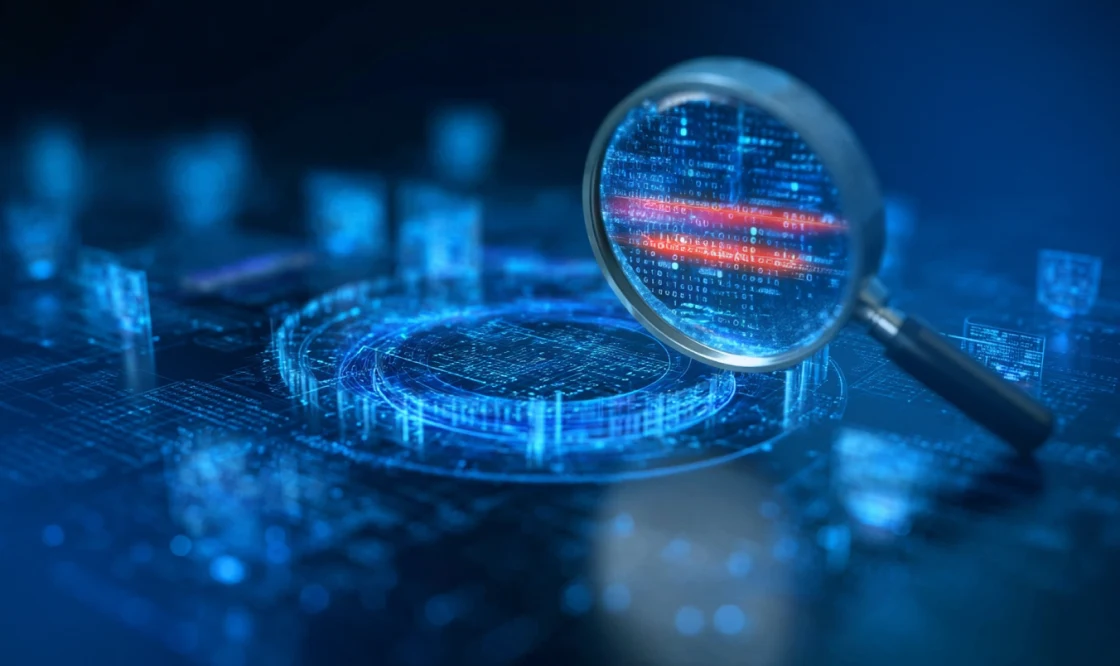
Artificial intelligence (AI) is transforming how organizations detect cybersecurity threats, offering a powerful edge in an increasingly complex digital landscape. With the exponential growth in data, devices, and attack vectors, traditional detection methods often fall short by struggling to keep pace with both the scale and sophistication of modern threats.
While AI-powered threat detection is transforming how we uncover risks, it’s only one piece of the puzzle. Once threats are detected, organizations must have an agile, scalable response, making automation essential.
AI helps security teams stay ahead of traditional and evolving cyberattacks by analyzing vast amounts of network traffic and endpoint data. It identifies indicators of unauthorized access, flags brute-force attacks, and detects Distributed Denial of Service (DDoS) attempts based on traffic anomalies. By learning from past incidents, AI systems can rapidly identify patterns and recognize when something deviates from the norm, enabling faster mitigation before attackers cause real damage.
Traditional signature-based detection tools often struggle to identify sophisticated or previously unknown malware. AI enhances malware detection by using machine learning to identify anomalous behavior or file characteristics that may indicate a threat. This includes known malware strains and may help detect suspicious behaviors associated with previously unseen or emerging threats. By analyzing code behavior and execution in real time, AI strengthens endpoint protection and reduces malware dwell time.
Phishing attacks are becoming more sophisticated, often bypassing traditional filters. AI leverages natural language processing (NLP) to analyze the tone, structure, and context of emails or messages. It can detect subtle linguistic cues or impersonation patterns that suggest phishing or social engineering, even when attackers use personalized or evasive language. This proactive approach helps prevent credential theft and fraudulent actions before users are deceived.
AI isn’t limited to digital environments; it also enhances physical security. By analyzing video feeds, access logs, and sensor data, AI can identify unauthorized access attempts, detect loitering, or flag unusual movement patterns in secure areas. In real time, it can trigger alerts for human review or initiate automated responses, making it a valuable addition to surveillance and facility-monitoring systems.
Identity and access management (IAM) systems are critical to protecting sensitive data, and AI strengthens them by continuously evaluating user behavior, login patterns, and device context. If AI detects inconsistencies, like access attempts from unusual locations or devices, it can prompt multi-factor authentication or temporarily restrict access. This dynamic enforcement helps prevent lateral movement and insider threats.
One of AI’s most powerful capabilities is its ability to establish behavioral baselines for users, systems, and devices. By understanding what “normal” looks like, AI can flag deviations that may indicate compromised accounts, insider threats, or risky user behavior. Whether it’s an employee accessing unusual files or a system communicating with an unknown domain, AI helps surface threats that might otherwise go unnoticed.
AI-driven threat detection delivers significant advantages across security, operations, and cost efficiency:
The advantages of AI threat detection, like speed, accuracy, and scalability, are only fully realized when they trigger immediate action. While AI enables earlier threat identification, responding effectively remains a major challenge for many security teams.
Threat alerts alone don’t resolve incidents. Without an automated and consistent way to investigate, contain, and remediate these threats, detection tools can leave teams overwhelmed and response times dangerously slow.
This is why connecting AI threat detection to a robust, automated incident response process is critical. It’s not enough to spot a threat; you need to act on it, fast. The next step is to operationalize that detection.
AI enables faster threat detection, but without an effective response strategy, even the best insights can go unaddressed. Swimlane fills this critical gap by applying agentic AI automation to transform how organizations handle detected threats.
Once AI or other detection tools identify a threat, Swimlane Turbine’s automation rapidly investigates, enriches, and responds to alerts without relying on manual intervention. This ensures incidents are accurately prioritized and consistently addressed, reducing dwell time and easing the burden on overextended security teams.
Machine learning threat detection uses algorithms trained on historical and contextual data to identify anomalies, suspicious behaviors, or known indicators of compromise. By surfacing these threats early, it enables faster incident response, giving security teams the context they need to act before threats escalate.
AI-based security detection automates the analysis of large, complex data sets to uncover threats in real time. These systems not only flag potential risks but can also trigger automated response workflows, accelerating containment, investigation, and mitigation across the incident response lifecycle.
Artificial intelligence plays a dual role in modern cybersecurity. It enhances threat detection by analyzing patterns across diverse data sources and accelerates response times by automating key stages of the incident-handling process. This reduces dwell time, eases analyst workload, and improves response consistency.
Artificial intelligence is transforming threat detection by analyzing vast data in real time to spot cyberattacks faster and more accurately. But detection alone isn’t enough. To truly reduce risk, organizations must automate the next steps.
Agentic AI automation is essential for turning AI-detected threats into action, speeding response times, reducing manual effort, and preventing breaches. AI helps identify threats; automation ensures they’re handled swiftly and effectively.
Dive deep into how the Swimlane Turbine platform empowers security teams to achieve unprecedented efficiency and effectiveness in incident response.

 English English
  Français
 Deutsch
 日本語
日本語
 한국어
한국어
 Português
 Español